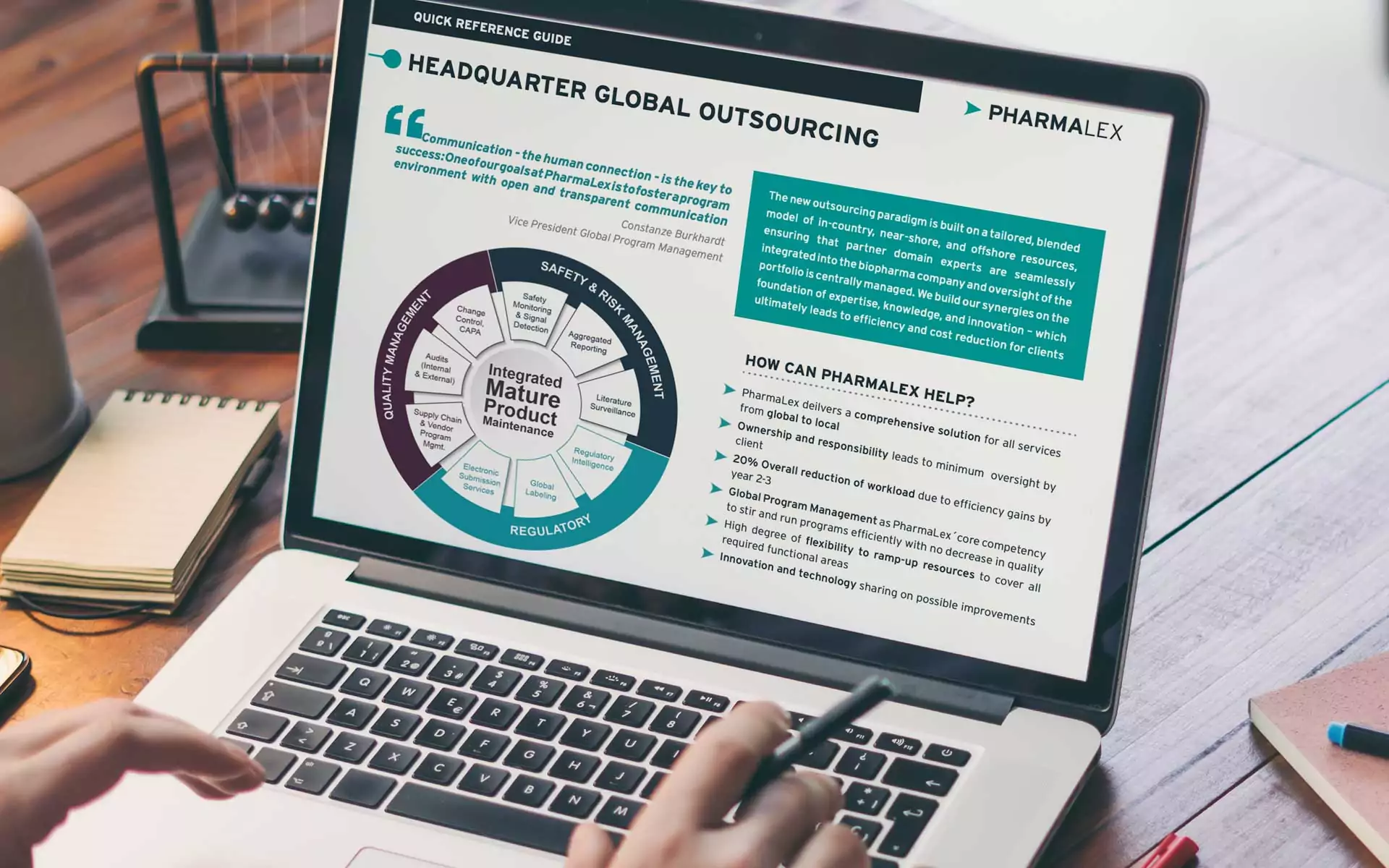
Our solutions consist of core services, which are tailored to address each of your unique requirements. We also have extensive program management expertise, a key success factor within our service solutions.
We leverage artificial intelligence (AI) and machine learning automation, which is revolutionizing many industries through increased productivity, improved quality and enhancing return on investment.
We offer global solutions covering the entire product lifecycle
As a result of growing awareness for health issues and an increasing sense of self-care, the pharmaceutical and consumer healthcare industries are expected to continue being critical in the delivery of life saving solutions to patients.
Wherever you are on your journey as a biotech – whether you’re still forming your team or seeking funding or putting together marketing authorization submissions – we’ll apply our deep industry and regulatory expertise to optimize your opportunity.
The medical device industry is undergoing significant change in areas ranging from new and more-complex regulations to technology advances that are altering the medical-technology (medtech) landscape by changing it into an increasingly competitive and commoditized marketplace.
As Pharma consultants, we love to share our knowledge! Check out our blogs, webinars, articles, podcasts and more. Connect with our experts and stay up-to-date on all of the trends in the pharmaceutical, biotech and medical device industries.